Impact of the EU–Mercosur agreement on the fire safety and security market
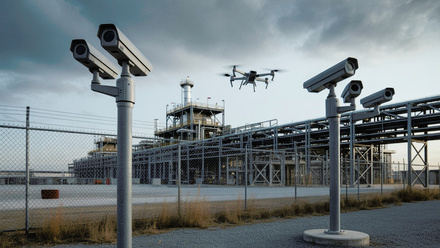
While much of the public discussion has focused on agriculture and automotive sectors, the implications for the fire safety and security industry are equally significant and deserve closer attention.
A market opening moment
The agreement marks a structural shift in market accessibility. For European manufacturers of fire detection, suppression, and integrated security systems, the most immediate impact comes from reduced tariffs on industrial goods.
Fire safety equipment—ranging from alarms and sprinklers to advanced IoT-enabled monitoring systems—falls under categories such as machinery, electronics, and technical apparatus. With several tariffs set to progressively decline toward 0% over the coming years, European exporters gain a meaningful cost advantage in Mercosur markets that have historically been protected. This is particularly relevant in Brazil and Argentina, where import duties have traditionally limited the penetration of high-end safety technologies.
Competitive pressure and technology upgrading
Lower tariffs will not only benefit European exporters - they will also increase competitive pressure on local manufacturers in Mercosur countries. Domestic producers of fire safety equipment may face challenges competing on both price and technological sophistication. However, this dynamic is likely to accelerate technology upgrading and partnerships. European firms may pursue:
- Local distribution agreements
- Joint ventures
- Technology licensing
This creates a pathway for knowledge transfer, raising overall safety standards in the region.
Access to public procurement
One of the most impactful provisions for the sector is access to government tenders. Fire safety and security systems are heavily tied to public infrastructure - airports, hospitals, transport systems, and urban developments. The agreement improves access for EU companies to compete in Mercosur public procurement markets, which have often been difficult to access. This is especially relevant as major cities in Brazil and Argentina continue investing in smart city initiatives, infrastructure modernization and industrial safety upgrades.
Regulatory alignment and standards
The agreement also promotes regulatory cooperation, alignment with international standards and more flexible labelling requirements. This is critical for fire safety products, which must comply with strict certification regimes. Reduced regulatory friction means:
- Faster market entry
- Lower compliance costs
- Easier product standardization across regions
For companies already aligned with EU or international safety standards, this creates a smoother path into Mercosur markets.
Mobility and services: supporting system integration
Fire safety and security are no longer just about hardware - it’s increasingly about integrated systems and services. The agreement facilitates easier temporary movement of professionals as well as access to services markets. This enables European firms to deploy engineers, consultants, and maintenance teams more efficiently—crucial for installation, system integration, and after-sales support.
Automotive sector spillover effects
Interestingly, reduced tariffs on vehicles - especially EVs and hybrids - may indirectly boost demand for fire safety solutions. As electric mobility expands, so does the need for battery fire detection systems, specialized suppression technologies and charging infrastructure safety. European firms with expertise in these emerging niches could find new demand channels in Mercosur markets.
Despite the opportunities, there are challenges: the currency in some of the Mercosur countries is volatile, while there is also political and regulatory uncertainty. Moreover, tariff reductions are phased, meaning benefits will materialize gradually rather than instantly.